

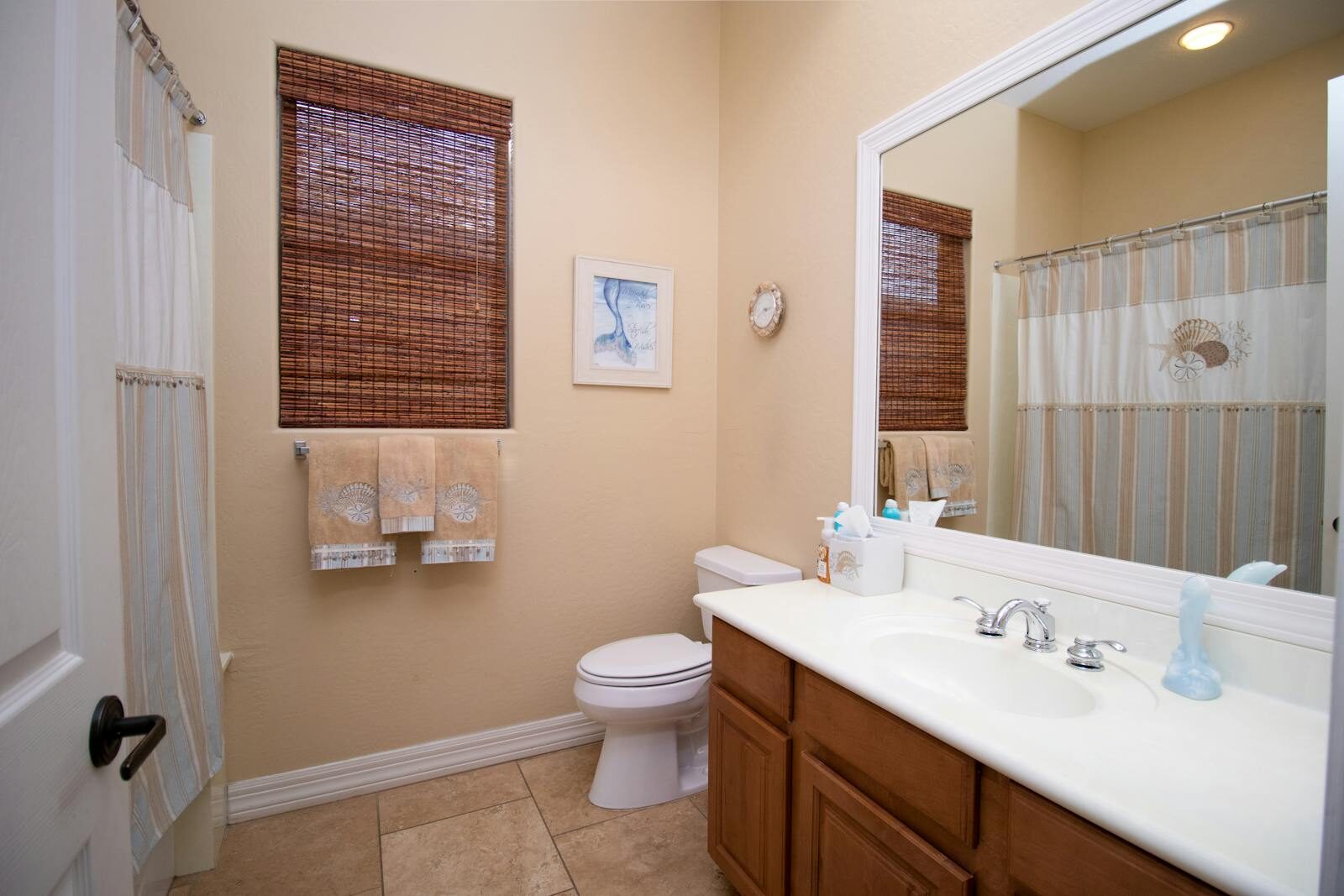
Transforming your bathroom can feel like stepping into uncharted waters—exciting, full of possibilities, yet riddled with potential pitfalls that could turn your dream project into a costly nightmare. But what if you could take the helm with confidence, steering clear of expensive mistakes while crafting a space that reflects your style and needs? This guide will walk you through the essential tips and tricks to successfully DIY your bathroom renovation, empowering you to create a fresh, functional sanctuary without breaking the bank or losing your mind. Whether you’re a novice or a seasoned home improver, read on to discover how careful planning and smart choices can make your bathroom makeover both rewarding and mistake-free.
Planning Your Bathroom Renovation Like a Pro
When mapping out your renovation, integrate a timeline that factors in material shipping, unexpected delays, and drying times. Preparing a flexible budget will cushion you against surprise expenses, but you can keep surprises to a minimum by researching and comparing product warranties. Use the checklist below as a quick reference to keep your planning on point:
- Define your style and color palette early
- Choose durable, water-resistant materials
- Plan for ventilation to avoid mold issues
- Set aside 15-20% of the budget for contingencies
- Schedule inspections for electrical and plumbing work
| Task | Estimated Duration | Priority Level |
|---|---|---|
| Design Finalization | 1 Week | High |
| Material Procurement | 2-3 Weeks | Medium |
| Demolition & Prep | 3-4 Days | High |
| Installation & Finishing | 2 Weeks | High |
Choosing Durable Materials That Save Money in the Long Run
When embarking on a bathroom renovation, opting for materials with longevity in mind can transform your project from a costly nightmare into a smart investment. Durability doesn’t always mean luxury; sometimes, the best choice is both simple and sturdy. For example, porcelain tiles not only resist stains but also withstand heavy foot traffic, making them a perfect choice for floors and shower walls. Similarly, solid surface countertops offer resistance to scratches and water damage, helping you avoid future refinish costs. It’s essential to select materials that reduce the need for frequent repairs or replacements—after all, saving upfront with cheaper options often leads to more expenses down the line.
- Porcelain Tiles: Scratch-resistant, water-resistant, and easy to clean.
- Quartz Countertops: Non-porous surface reducing mold and mildew risk.
- Vinyl Flooring: Cost-effective, durable, and highly resistant to moisture.
- Stainless Steel Fixtures: Corrosion-resistant and requires minimal maintenance.
To better visualize the cost-efficiency of durable materials, here’s a quick comparison of initial investment versus long-term savings:
| Material | Initial Cost | Lifespan (Years) | Maintenance Level | Long-Term Savings |
|---|---|---|---|---|
| Porcelain Tile | $$ | 30+ | Low | High |
| Vinyl Flooring | $ | 15-20 | Low | Medium |
| Laminate Countertops | $ | 10-15 | Medium | Low |
| Quartz Countertops | $$$ | 25+ | Low | Very High |
Choosing wisely means weighing not just aesthetic appeal but the total value over time. A bit more patience and research before buying can turn your DIY renovation into a masterpiece that stands firm through years of daily use.
Mastering Plumbing and Electrical Tasks with Confidence
Tackling plumbing and electrical work might seem daunting at first, but with the right preparation and tools, these tasks can be mastered more easily than you think. Start by thoroughly researching your bathroom’s layout and identifying the key fixtures that require attention. Always turn off the main water supply and power before beginning any work. Investing in quality tools such as pipe wrenches, voltage testers, and waterproof electrical connectors will save you time and prevent costly errors.
When approaching these jobs, pay special attention to safety and precision. Here’s a checklist to keep you on track:
- Label all circuit breakers before turning off power.
- Use Teflon tape on threaded plumbing joints to avoid leaks.
- Double-check local codes and regulations to ensure compliance.
- Test all connections thoroughly before sealing walls or flooring.
With patience and practice, your newfound skills will empower you to take on more complex projects confidently and keep your renovation on budget.
Avoiding Common Design Pitfalls for a Cohesive Finish
One of the quickest ways to sabotage your renovation is to ignore the importance of a unified aesthetic. Instead of selecting fixtures and finishes on a whim, start with a clear color palette and stick to it. This means coordinating hardware finishes—like faucets, towel bars, and cabinet handles—to maintain harmony throughout the space. Equally crucial is balancing style elements; pairing ultra-modern tiles with vintage cabinets can create visual dissonance. Embracing deliberate choices helps the eye flow naturally across your bathroom, lending an effortless yet intentional charm.
Another common misstep lies in neglecting scale and proportion, which can turn what should be a serene haven into a cramped or awkwardly spaced room. For example, oversize vanities in petite bathrooms overpower the limited square footage, while undersized mirrors can feel out of place above a broad sink. Using the table below as a quick guide can assist you in achieving a perfect spatial balance for various bathroom sizes:
| Bathroom Size | Vanity Width | Mirror Size | Fixture Style |
|---|---|---|---|
| Small (< 50 sq ft) | 18-24 inches | Small vertical | Compact & streamlined |
| Medium (50-100 sq ft) | 30-48 inches | Horizontal rectangle | Balanced & modern |
| Large (> 100 sq ft) | 60+ inches | Triptych or oversized round | Bold & statement |
Pro tip: Taking time to measure and visualize your selections in the actual bathroom space before installation can save both headaches and expensive re-dos. When every component complements each other, the final result feels polished, inviting, and effortlessly pulled together.
Final Thoughts
Embarking on a bathroom renovation can feel like navigating a maze—exciting yet filled with potential pitfalls. But armed with the right knowledge and a clear plan, you can transform your space without emptying your wallet on costly errors. Remember, patience, research, and a willingness to learn are your best tools. So roll up your sleeves, embrace the process, and watch your vision come to life—one thoughtful step at a time. Your dream bathroom awaits, and it’s well within your reach.