

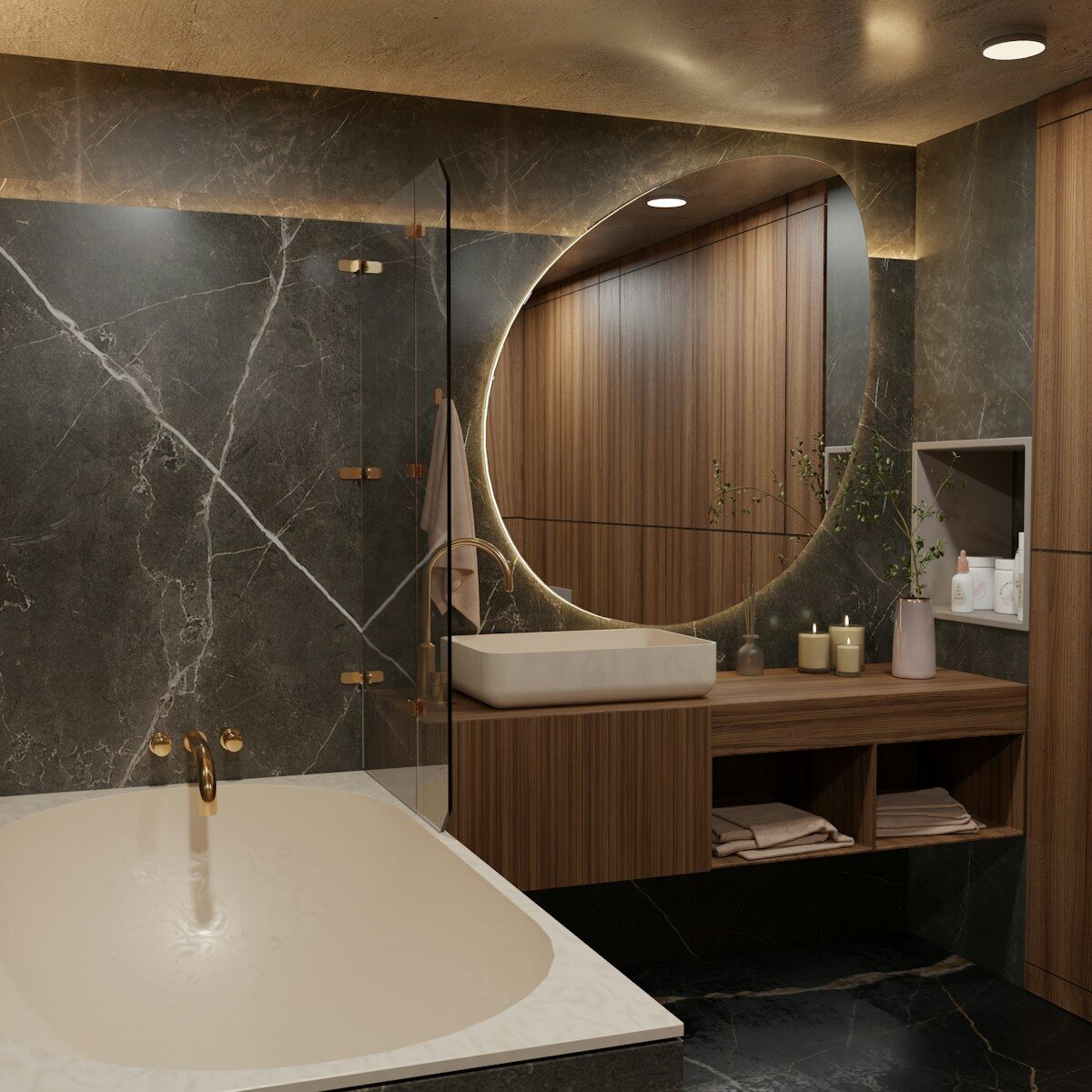
Refreshing your bathroom flooring can transform the entire space, giving it a fresh new look without the hassle of a full renovation. But what if you’re working with a tight budget and want to skip the expensive contractor fees? The good news is, redoing your bathroom floor on your own is entirely possible—and more approachable than you might think. In this guide, we’ll walk you through practical, cost-effective steps to upgrade your bathroom flooring, helping you achieve a stylish and durable finish without breaking the bank or relying on professional help. Whether you’re a seasoned DIYer or just starting out, this article will equip you with ideas and tips to make your project a success.
Choosing Affordable and Durable Materials for Your Bathroom Floor
To simplify your decision, here is a quick comparison table of popular bathroom flooring materials:
| Material | Approximate Cost | Durability | Ease of Installation |
|---|---|---|---|
| Vinyl | $2–$5 / sq ft | High | Moderate |
| Porcelain Tiles | $3–$10 / sq ft | Very High | Challenging |
| Peel-and-Stick Tiles | $1–$3 / sq ft | Medium | Very Easy |
| Bamboo | $4–$7 / sq ft | Good (when sealed) | Moderate |
Pro tip: Prioritize materials that can withstand constant moisture and wear but still fit your style and budget. Combining smart choices with a hands-on approach will make your bathroom floor renovation both affordable and lasting.
Preparing Your Bathroom for a Smooth and Mess-Free Renovation
Before diving into your DIY bathroom flooring project, set the stage for success by taking a few critical preparatory steps. Start by decluttering the space completely—remove rugs, décor, and any movable furniture to give yourself a clean slate to work with. Turn off the water supply and, if possible, disconnect toilets or vanities to minimize damage risks and ease movement. Protect your fixtures and plumbing with heavy-duty plastic sheeting or painter’s tape, maintaining a clear boundary between your work area and the rest of your bathroom. This simple barricade will save you hours of scrubbing grout, dust, and debris later.
Next, focus on creating a mess-free zone with all the right tools and materials at your fingertips. Organize everything on a portable cart or small table within easy reach, and keep a dedicated trash bin nearby for instant disposal of waste, scraps, and packaging. To avoid unexpected setbacks, check your flooring substrate for moisture issues or damage before installation. If unsure, consult the following quick reference guide for common surface preparations:
| Surface Type | Recommended Prep | Notes |
|---|---|---|
| Cement Board | Clean and dry thoroughly | Ensure no cracks or loose areas |
| Concrete | Patch holes and level surface | Use a self-leveling compound if uneven |
| Wood Subfloor | Check for rot and secure loose boards | Install backer board for water resistance |
- Ventilate the room to prevent moisture buildup during installation.
- Use drop cloths to safeguard bathroom walls and plumbing.
- Have cleaning supplies ready for quick touch-ups as you go.
Step-by-Step Guide to Installing Budget-Friendly Flooring Yourself
First, gather all the necessary tools and materials before you start. You’ll need affordable options like vinyl planks or peel-and-stick tiles that are both budget-friendly and water-resistant — perfect for bathrooms. Remember to measure your bathroom floor precisely and purchase about 10% extra material to cover mistakes or future repairs. Prepare the surface by thoroughly cleaning and smoothing it, removing any old adhesive or debris, which ensures the new flooring adheres properly. Take your time during this phase, as it sets the foundation for a flawless finish.
When you begin installing, work from one corner of the room outward, carefully aligning the edges as you go. Use a utility knife for precise cuts around corners and fixtures. For the best results, consider laying down a simple underlayment to buffer any uneven spots and add comfort underfoot. Here’s a quick checklist to help you stay organized:
- Tools: Measuring tape, utility knife, straightedge, rubber mallet
- Materials: Vinyl planks or peel-and-stick tiles, underlayment (optional), floor primer (if needed)
- Preparation: Clean and level surface, remove old flooring debris
- Installation Tips: Snap chalk lines for guidance, stagger seams, press tiles/planks firmly
Tips for Maintaining Your New Floor to Maximize Longevity and Appearance
Consider these quick, actionable tips to maintain your floor’s beauty:
- Use felt pads under furniture legs to prevent scratches and dents.
- Vacuum or sweep regularly to keep dirt and grit from scratching the surface.
- Seal grout lines annually to stave off moisture and mold buildup.
- Rotate rugs occasionally to ensure even wear and sun exposure.
| Floor Type | Best Cleaning Method | Maintenance Frequency |
|---|---|---|
| Vinyl | Damp mop with mild detergent | Weekly |
| Ceramic Tile | Regular sweeping + grout sealing | Weekly + Yearly |
| Laminate | Light vacuum + dry mop | Twice weekly |
The Way Forward
Redoing your bathroom flooring on a budget doesn’t have to be a daunting task reserved for professionals. With a bit of planning, patience, and some creative problem-solving, you can transform your space into a fresh, stylish retreat without breaking the bank. Remember, the key is to choose materials wisely, prepare your surface thoroughly, and take your time with each step. As you lay down the last tile or peel off that final strip of adhesive, you’ll not only save money but also gain a rewarding sense of accomplishment. So roll up your sleeves, gather your tools, and step confidently into the role of your own bathroom’s makeover expert—your dream floor is just a project away.