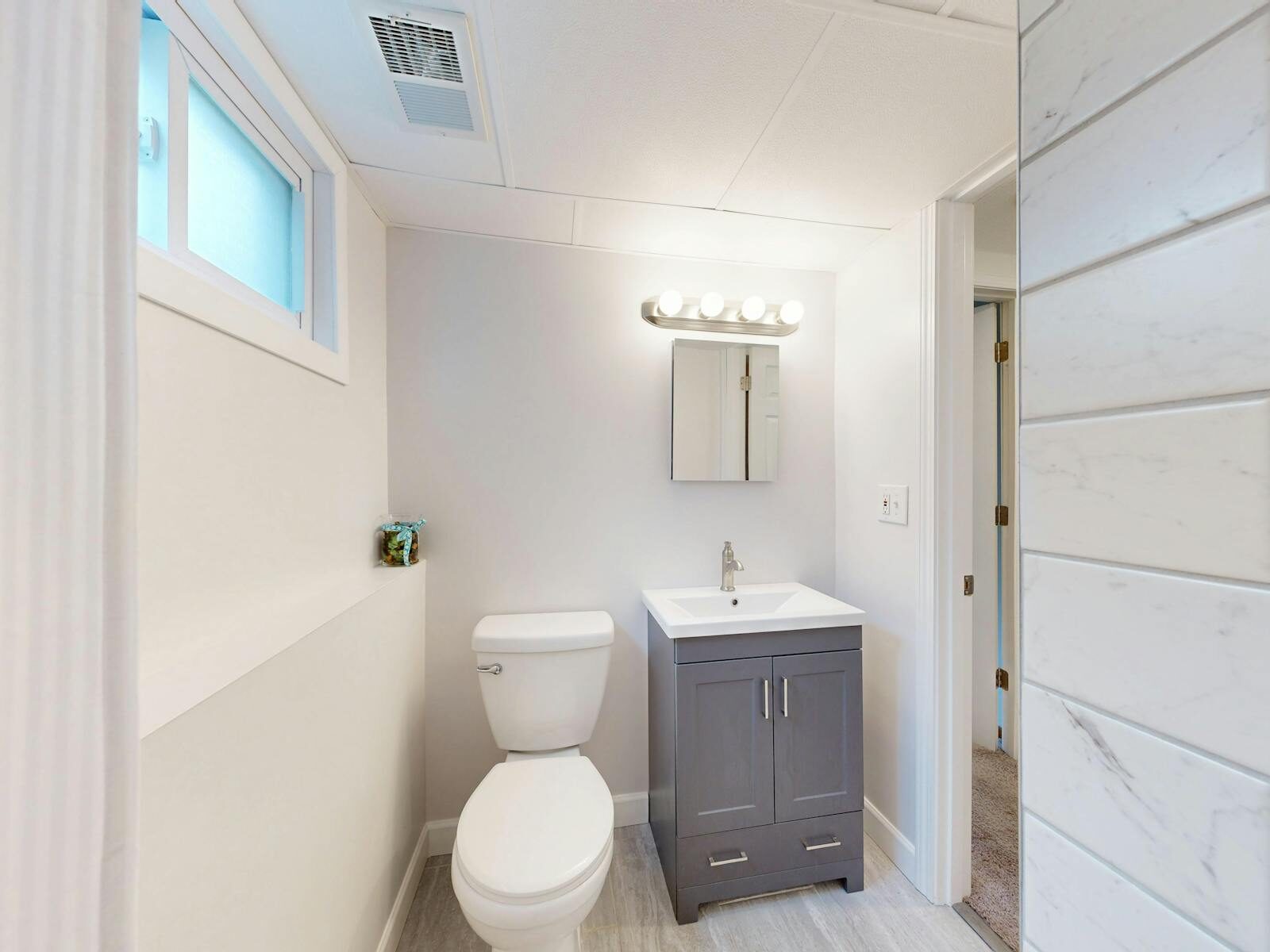
A bathroom renovation can feel like a refreshing plunge into revitalizing your home—a chance to blend style, comfort, and function into one personal sanctuary. Yet, what often begins as an exciting makeover frequently spirals into an unexpected financial whirlpool. Many homeowners find themselves caught in the current of overspending, baffled by where the budget went and how costs ballooned beyond their original vision. Why do so many fall into this trap, and more importantly, how can you navigate the renovation waters without draining your wallet? This article dives into the common pitfalls that lead to overspending on bathroom renovations and offers practical guidance to help you achieve a beautiful, budget-wise upgrade.
Understanding Common Traps That Inflate Bathroom Renovation Costs
Many homeowners dive into their bathroom renovations without fully grasping the hidden costs that can quietly accumulate. One of the most frequent pitfalls is underestimating the condition of plumbing and electrical systems. What starts as a simple upgrade in fixtures can quickly balloon into extensive rewiring or pipe repairs, leading to unplanned expenses. Additionally, opting for high-end materials without proper budgeting can turn a modest project into a costly ordeal. Common budget busters include:
Choosing luxury tiles or custom cabinetry
Ignoring underlying structural issues
Skipping professional consultations
Frequent changes to design mid-project
Understanding where these costs typically arise can help you set realistic expectations and avoid overspending. For instance, unexpected water damage found behind walls often necessitates repairs before new installations, a factor not accounted for in initial quotes. Moreover, labor costs can surge if timelines stretch due to material delays or contractor scheduling. To keep your renovation on track and within budget, prioritize thorough inspections and clear communication with your contractor. Here’s a quick look at how some common traps compare in potential cost impact:
Expense Trap
Estimated Cost Range
Tips to Avoid
Plumbing Repairs
$500 – $3,000
Schedule a pre-renovation inspection
Material Upgrades
$1,000 – $5,000+
Set a clear material budget early
Structural Fixes
$1,500 – $7,000
Check walls and flooring for damage
Labor Delays
Varies
Plan timeline buffers
Balancing Aesthetics and Functionality Without Breaking the Bank
Striking the perfect harmony between beauty and practicality in your bathroom doesn’t mean draining your savings. Begin by focusing on key impact areas such as fixtures, lighting, and smart storage solutions. High-end finishes placed strategically can uplift the entire space without the need for a full overhaul. Remember, functionality should never be an afterthought; selecting water-efficient faucets or a well-ventilated layout not only enhances usability but also cuts ongoing costs.
Planning your renovation budget wisely means knowing when to splurge and when to save. Here’s a simple breakdown to guide your spending:
Element
Budget Tip
Value Impact
Vanity
Custom refinish instead of replacement
High
Tiles
Focus on feature wall, use budget tiles elsewhere
Medium
Lighting
Replace fixtures, add dimmers
High
Plumbing
Reuse existing piping, install efficient fixtures
High
DIY where possible: Small tasks like painting or installing shelves can save considerable labor costs.
Shop smart: Look for sales, clearance items, or discounted display models for high-quality materials.
Consult a professional: Early advice can prevent costly mistakes and optimize your design choices.
Smart Material Choices That Deliver Style and Savings
Choosing the right materials for your bathroom renovation doesn’t just elevate the look—it can also keep your budget firmly in check. Instead of splurging on high-end marble or designer tiles, consider alternatives like porcelain or ceramic that mimic the luxurious feel without the hefty price tag. These options offer durability and style, and they age beautifully with minimal maintenance, meaning you save on future replacement and repair costs. Simple swaps make a huge impact:
Quartz countertops instead of granite for stain resistance and affordability
Vinyl plank flooring that replicates hardwood with greater moisture resistance
Matte finish fixtures to disguise water spots and fingerprints
Planning your material use strategically ensures you get maximum value from every dollar spent. For example, employing premium materials sparingly on high-visibility areas like vanity tops and accent walls while opting for budget-friendly options elsewhere balances style and savings. Below is a brief comparison to keep in mind:
Material
Price Range
Durability
Maintenance
Porcelain Tiles
$$
High
Low
Natural Stone (Marble)
$$$$
Medium
High
Vinyl Flooring
$
Medium
Low
Quartz Countertops
$$$
High
Low
Effective Planning Strategies to Keep Your Bathroom Budget on Track
One of the smartest ways to maintain control over your bathroom renovation expenses is to outline a detailed budget early on. Before purchasing fixtures or scheduling labor, create a breakdown of potential costs and allocate specific amounts to different elements — such as plumbing, tiles, and cabinetry. This clarity prevents impulse spending and helps keep your ambitions aligned with your finances. Consider using a budgeting tool or spreadsheet to track expenses in real time, so you can quickly adjust plans if a particular item runs over budget.
Another key strategy involves prioritizing your renovation goals. List out the must-haves versus nice-to-haves, and focus your funds on critical updates that enhance function and durability. For example, investing in water-efficient fittings can save money long term, while opting for budget-friendly paint instead of high-end tiles in less visible areas can reduce upfront costs. Here’s a simple reference table to guide your prioritizing process:
Priority Level
Focus Area
Example
High
Functionality
Plumbing & Water-saving fixtures
Medium
Aesthetic Upgrades
Paint, Lighting, Faucets
Low
Decor & Accessories
Artwork, Rugs, Shelving
Regularly revisiting your budget and priorities throughout the project will help you stay flexible without overspending. By embracing a well-structured plan that balances necessity with design, you’ll keep your bathroom renovation on track — both creatively and financially.
In Summary
In the end, bathroom renovations don’t have to become a bottomless pit for your budget. By understanding the common pitfalls and approaching your project with a clear plan, you can transform your space without transforming your finances. Overspending often stems from excitement, misinformation, or a lack of preparation—but with mindful choices and realistic expectations, your dream bathroom can become both a beautiful and sensible reality. So take a deep breath, map out your priorities, and remember: a stunning bathroom is not about spending more, but spending smart.