

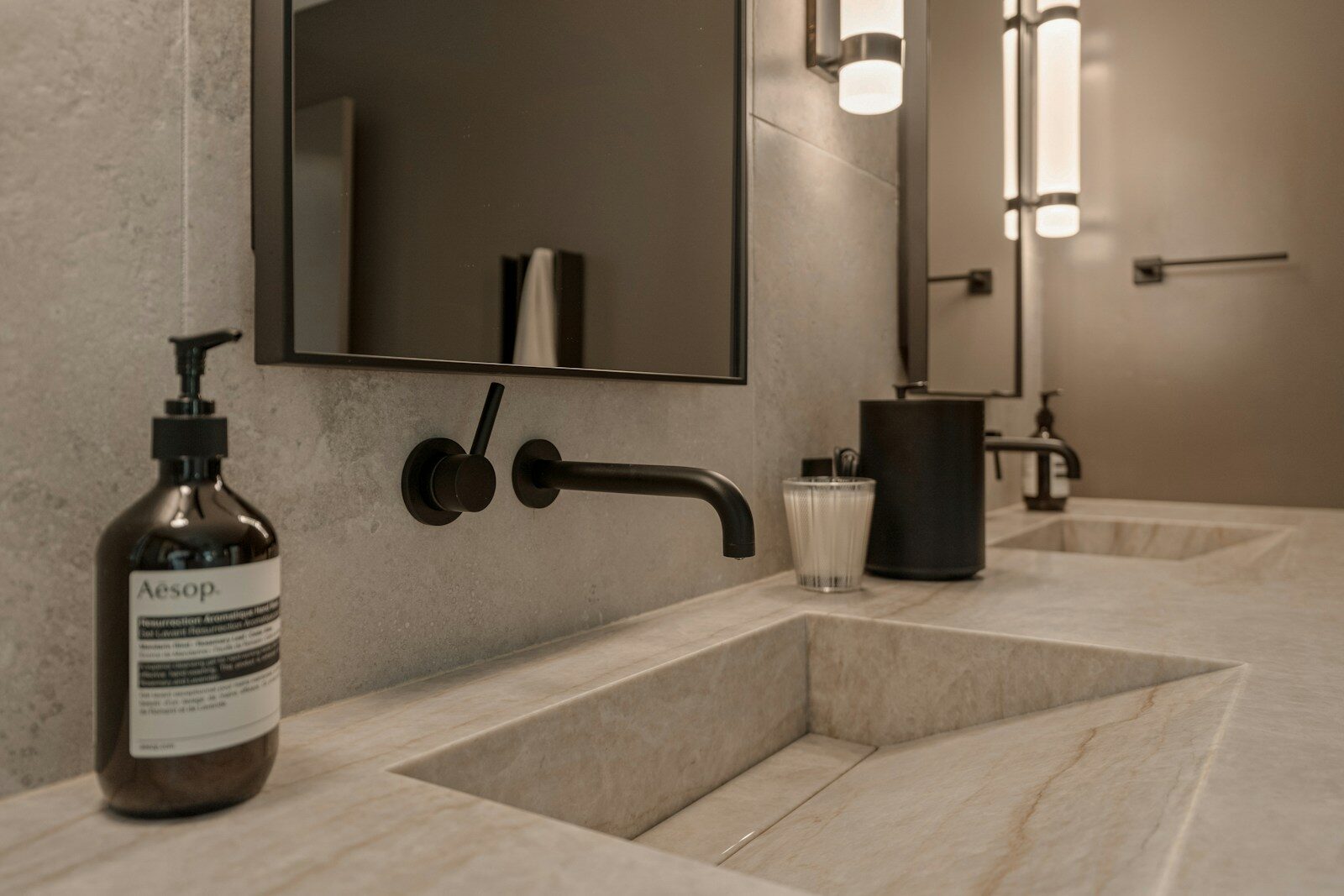
When it comes to bathroom renovations, the mind often races to expensive fixtures, luxurious tiles, or high-tech upgrades. Yet, nestled quietly in the toolbox of home improvement lies a simple, often overlooked hero: paint. Transforming your bathroom with a fresh coat of paint is not only surprisingly affordable but also remarkably impactful. This modest makeover move can breathe new life into your space, shifting moods and styles with just a few strokes. In this article, we’ll explore why painting your bathroom deserves a spot at the top of your budget renovation list—and how this underrated step can offer some of the biggest returns for your investment.
The Transformative Power of Color in Small Spaces
Beyond paint choice, the way colors are applied can maximize the feeling of space. Consider these techniques for impactful results:
- Vertical stripes to elongate walls and ceilings.
- Contrasting trims for highlighting architectural details without overwhelming.
- Monochromatic schemes that promote seamless flow and avoid visual clutter.
| Color Choice | Effect | Suggested Use |
|---|---|---|
| Pastel Blue | Opens up space | Walls, ceiling |
| Charcoal Gray | Creates intimacy | Accent wall, trims |
| Bright White | Reflects light | Entire room |
| Bold Coral | Injects energy | Cabinets, accessories |
Choosing the Ideal Paint Type for Longevity and Moisture Resistance
When selecting the perfect paint for your bathroom, durability and resistance to moisture are paramount. Bathrooms are prone to high humidity, which can cause standard paints to peel, blister, or foster mold growth. Opting for paint specifically designed to withstand moisture not only keeps your walls looking fresh but also protects the underlying surfaces from water damage. Enamel paints with a satin or semi-gloss finish are particularly effective because they create a hard, washable surface that repels moisture. Many modern formulations also include antimicrobial properties, ensuring that your bathroom stays cleaner and healthier for longer.
Consider the following types of paint to balance longevity and moisture protection in your bathroom:
- Waterproof Acrylic Latex: Offers flexibility and resists cracking while being easy to apply and clean.
- Epoxy-Based Paint: Highly durable and moisture-resistant, ideal for areas with direct water exposure.
- Bathroom-Specific Mold-Resistant Paint: Contains fungicides to inhibit mold and mildew growth on painted surfaces.
| Paint Type | Moisture Resistance | Recommended Finish |
|---|---|---|
| Acrylic Latex | High | Satin or Semi-Gloss |
| Epoxy | Very High | Semi-Gloss or Gloss |
| Mold-Resistant | Moderate | Satin |
| Enamel | High | Semi-Gloss or Gloss |
Step-by-Step Guide to Preparing Your Bathroom Walls for Painting
Before dipping your brush or roller into that fresh paint, inspecting and prepping your bathroom walls is absolutely essential for a professional finish that lasts. Start by removing any accessories, switch plates, and outlet covers from the walls. Next, give the entire surface a thorough cleaning with a mixture of water and mild detergent to remove soap scum, mildew, and grease—common culprits in a bathroom environment. Pay close attention to any existing cracks, holes, or peeling paint, addressing these imperfections with a lightweight filler or spackle. Once dried, sand these areas smooth with fine-grit sandpaper to create a perfectly flat canvas, then wipe down dust residue with a damp cloth.
Moisture and humidity can sabotage even the best paint job, so it’s crucial to apply a primer designed for bathrooms before you introduce color. Look for mildew-resistant or stain-blocking primers to lay a sturdy foundation. For areas prone to heavy moisture exposure, consider a waterproof sealant. Below is a quick checklist summarizing key preparation steps that guarantee your walls are ready to absorb every drop of that vibrant paint:
- Clear the space: Remove fixtures and cover floors.
- Clean thoroughly: Eliminate soap scum and grease.
- Repair surface: Fill holes, smooth cracks.
- Sand for smoothness: Prep surfaces for priming.
- Prime properly: Use moisture-resistant primer.
Cost Effective Tips for Achieving a Professional Finish at Home
Small details can make a massive impact, so consider these budget-friendly tricks to achieve a showroom-worthy look:
- Use a paint conditioner to eliminate brush marks and create a velvet-like finish.
- Work in sections: keeping a wet edge prevents ugly lines and streaks.
- Apply two thin coats rather than one thick layer for uniform coverage.
- Seal edges around trim after painting with a clear silicone caulk to prevent moisture damage.
| Tip | Why It Matters |
|---|---|
| Use Painter’s Tape | Ensures clean edges, enhancing neatness |
| Choose Semi-Gloss Paint | Resists moisture and easy to clean |
| Invest in Primer | Boosts paint adhesion and color vibrancy |
| Proper Ventilation | Prevents mold and speeds drying time |
Final Thoughts
In the grand scheme of bathroom makeovers, painting may seem like a modest gesture, but its transformative power is anything but small. By simply swiping on a fresh coat of color, you breathe new life into your space without draining your wallet. It’s a subtle, smart step that often flies under the radar, quietly boosting style, mood, and value all at once. So next time you think renovation, remember: sometimes the most underrated moves are the ones that make the biggest splash.