How to Weatherize Your Home and Cut Your Energy Bills by Up to 30 Percent
The average American household spends $2,100 per year on energy bills. The Department of Energy finds that air leaks and inadequate insulation account for 25 to 30 percent of heating and cooling costs — meaning the average home spends $500 to $630 per year on conditioned air that escapes through gaps around windows, doors, outlets, and pipe penetrations. Most of these leaks can be found and sealed for under $100 in materials in a single Saturday. The return on that investment is measured in years, not decades.
Finding Air Leaks: The Candle Test
On a cold windy day, hold a lit stick of incense near suspected leak locations and watch the smoke. Moving smoke indicates air movement. Work systematically: around all window and door frames, around electrical outlets and switch plates on exterior walls, around the chimney chase, around plumbing penetrations under sinks, and along the sill plate where the house framing meets the foundation. Most homeowners are surprised by how many locations show significant air movement.
Sealing Windows, Doors, and Outlets
Replace failed weatherstripping on doors with foam V-seal or compression weatherstrip. Add door bottom sweeps to seal the threshold gap. Caulk gaps around window and door frames. Install foam gaskets behind every outlet cover and switch plate on exterior walls — these pre-cut foam sheets cost about four dollars for a pack of ten. On a cold day you can feel the cold air that stops after you install the gaskets.
Attic Air Sealing: The Highest-Impact Project
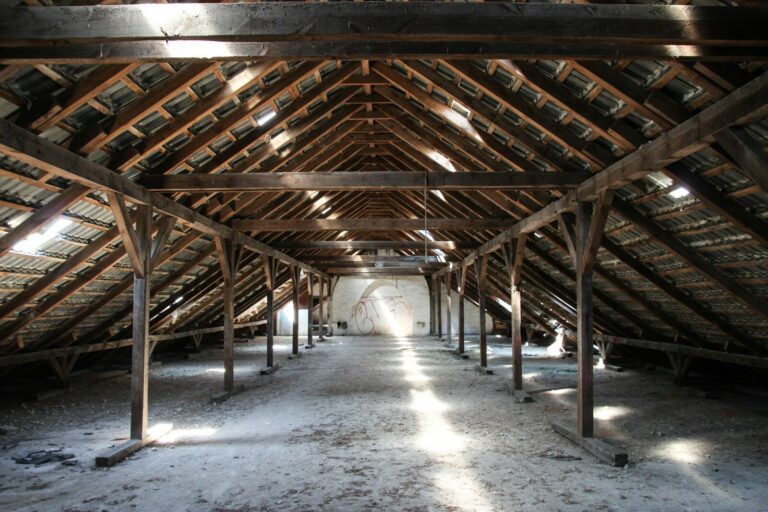
More heat escapes through the ceiling into the attic than through any other surface in most homes. Before adding insulation, air-seal the ceiling penetrations visible from the attic: around recessed lights, at wall top plates, around the attic hatch, and around all plumbing and electrical penetrations. Use expanding foam for gaps up to one inch and fire-rated foam for recessed lights. Only after sealing should you add insulation — adding insulation over unsealed penetrations traps moisture and reduces effectiveness.