How to Refinish Wood Furniture: Restore Your Old Pieces Instead of Replacing Them
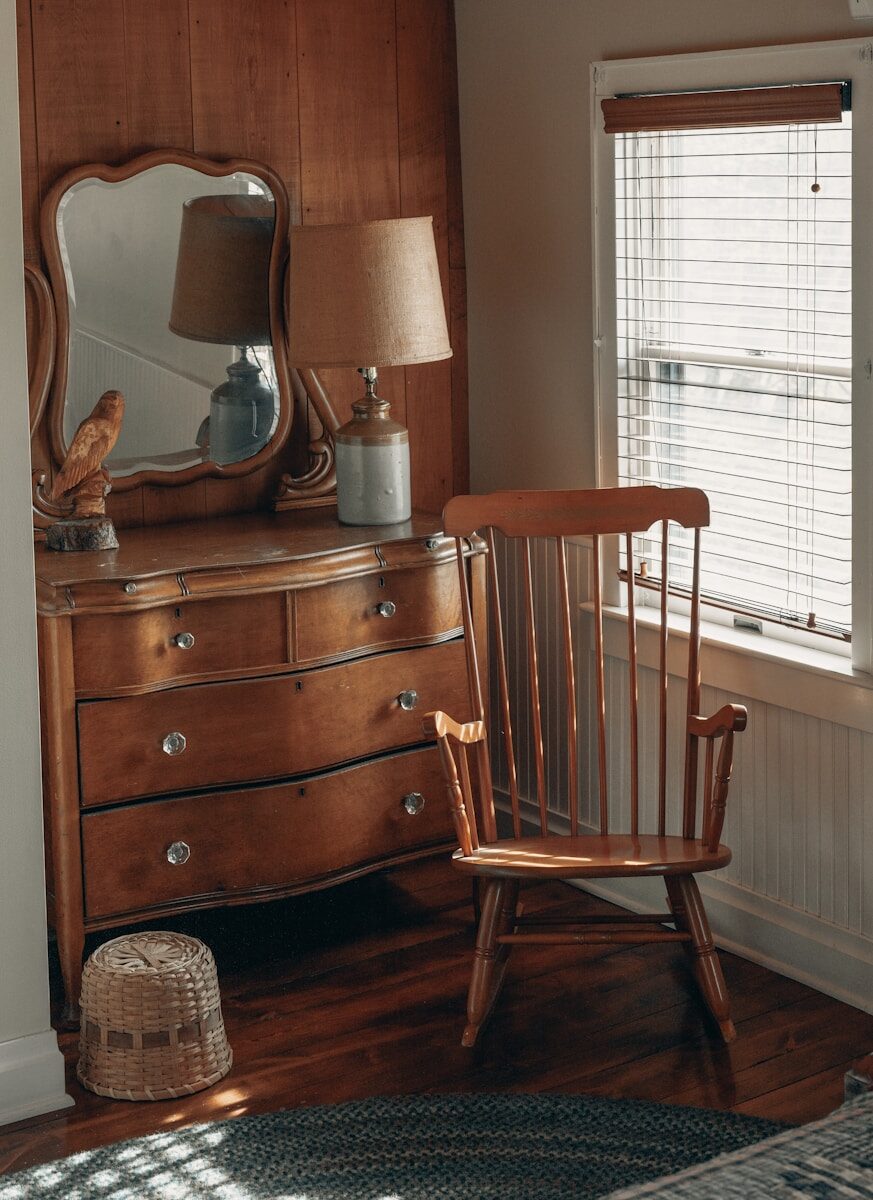
Solid wood furniture is almost always worth refinishing rather than replacing. The quality of wood in a piece made before the 1980s is typically superior to what’s available new at the same price point. What makes old furniture look tired is the finish, not the wood. Strip the finish, clean the surface, apply fresh stain and topcoat, and a 1960s dresser becomes the best-looking piece in the room.
Assess the Piece and the Finish Type
Apply a small amount of denatured alcohol to an inconspicuous spot — if the finish softens and gets tacky, it’s shellac. Apply lacquer thinner — if it softens, it’s lacquer. If neither affects it, it’s an oil-based or water-based polyurethane requiring chemical stripper or sanding. Also assess whether you need new stain or just a new clear topcoat — sometimes the wood color is fine and only the protective coat has failed.
Stripping the Old Finish
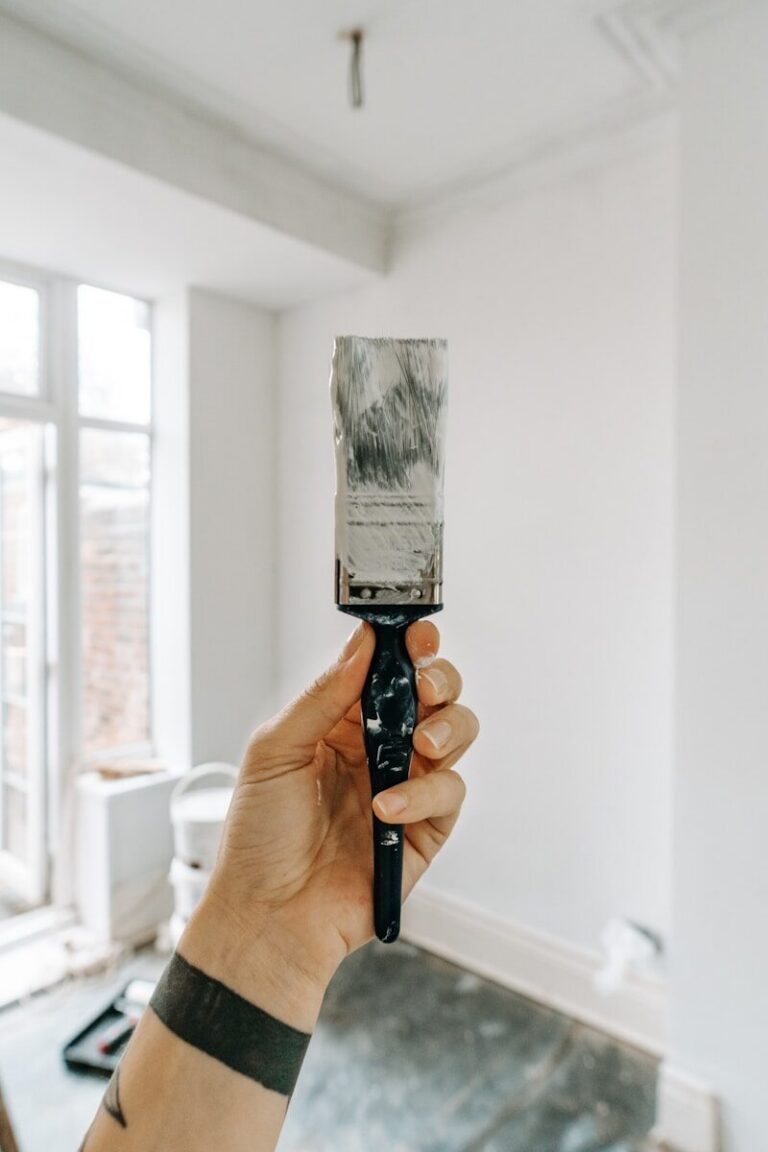
Apply chemical stripper generously with a brush following the grain direction. Cover with plastic wrap to slow evaporation and let it work for the full time on the product label. Scrape off the bubbled finish with a plastic scraper for flat surfaces and brass wire brushes for details. Neutralize the stripper with mineral spirits. Let dry completely before sanding.
Sanding and Finishing
Sand with the grain starting with 120-grit, then 150-grit, then 180-grit. Wipe with a tack cloth after the final sanding. Apply stain in the grain direction with a cloth, allow three to five minutes of penetration, then wipe off excess. Let dry per manufacturer instructions. Apply at least two coats of oil-based polyurethane, sanding lightly with 320-grit between coats. The final coat goes on without sanding — wipe gently with a brown paper bag once cured to remove slight roughness without removing sheen.