How to Power Wash Your House, Driveway, and Deck Without Damaging Surfaces
Nothing revives the exterior appearance of a house as quickly as a thorough power washing. A concrete driveway covered in years of oil stains and algae becomes bright gray again. A deck that looks like it needs replacement looks like it needs staining instead. The technique matters significantly — wrong pressure settings and distances cause real damage to wood, vinyl, and mortar joints that requires expensive repairs to fix.
Choosing the Right Pressure
Concrete and brick can handle 2,000 to 3,000 PSI. Wooden decks should be washed at 500 to 1,200 PSI with the nozzle held back far enough that the spray feels like firm rain rather than a jet. Vinyl siding should be washed at 1,200 to 1,500 PSI with a wide-angle fan tip, perpendicular to the surface, working from top down. A rented 2,800 PSI electric pressure washer handles most homeowner applications.
Nozzle Selection
The colored nozzle tips indicate spray angle and concentration. Red 0-degree tips should essentially never be used on house surfaces — they strip paint, etch concrete, and cut wood fibers. Yellow 15-degree for stubborn stains. Green 25-degree for most surface cleaning. White 40-degree for vinyl siding, cars, and painted surfaces. Holding the nozzle further from the surface spreads the spray and reduces concentrated impact, which matters as much as the nozzle color.
Technique by Surface
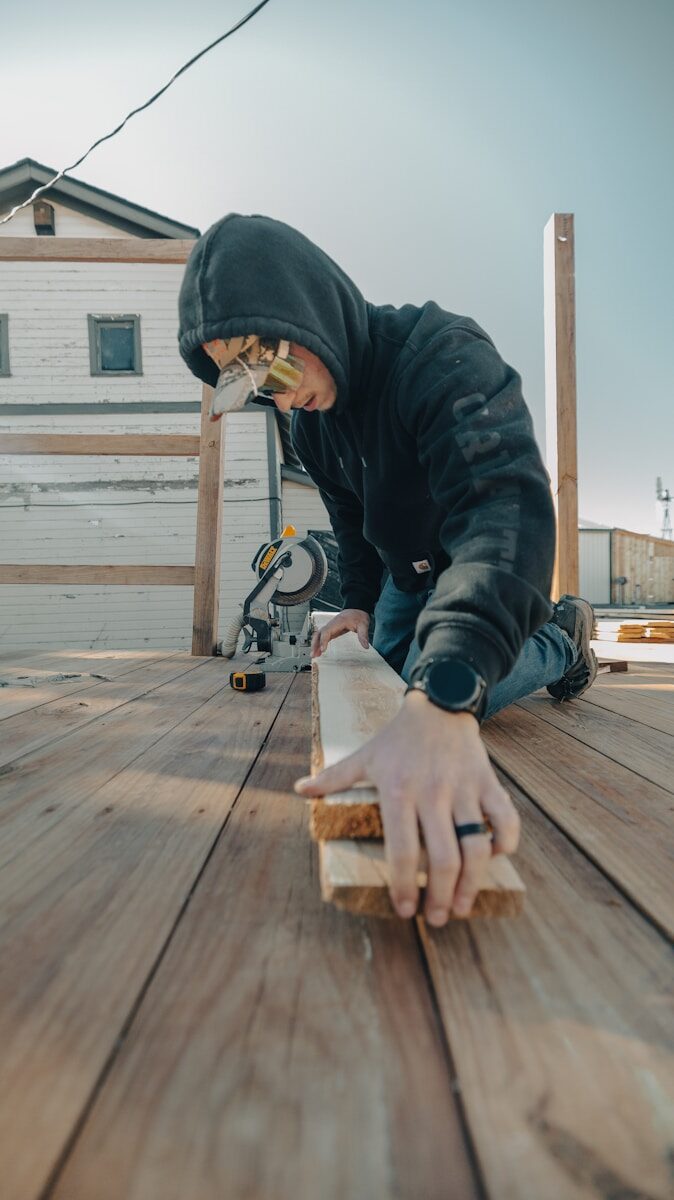
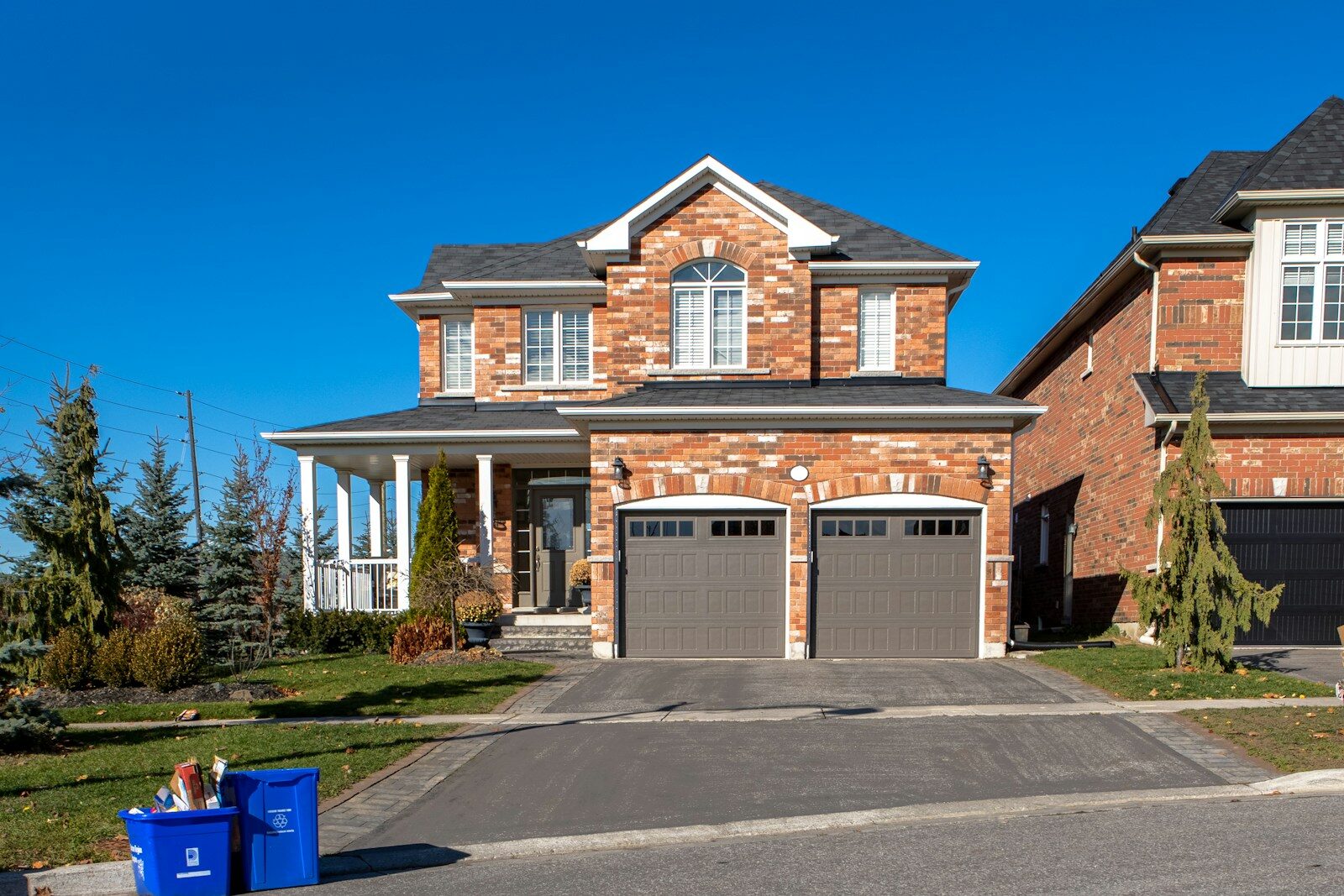
For siding, work from the top of the house down to prevent dirty water from running over cleaned sections. Never spray upward under siding laps — water behind siding causes rot. For wooden decks, always spray with the grain to prevent raised grain and splintering. Use a deck cleaning solution for maximum effectiveness. Allow the deck to dry 48 hours before staining or sealing.