How to Repair Concrete Driveway Cracks Before They Become Major Problems
Concrete driveways can last thirty to forty years with proper maintenance. Most concrete failures are accelerated versions of problems that began as small cracks left unsealed. Water enters the crack, penetrates to the subbase, and in climates with freeze-thaw cycles, expands when it freezes, widening the crack progressively with each winter. A crack sealed for $10 in materials in year two becomes a $3,000 to $8,000 driveway replacement by year ten.
Assessing What You Have
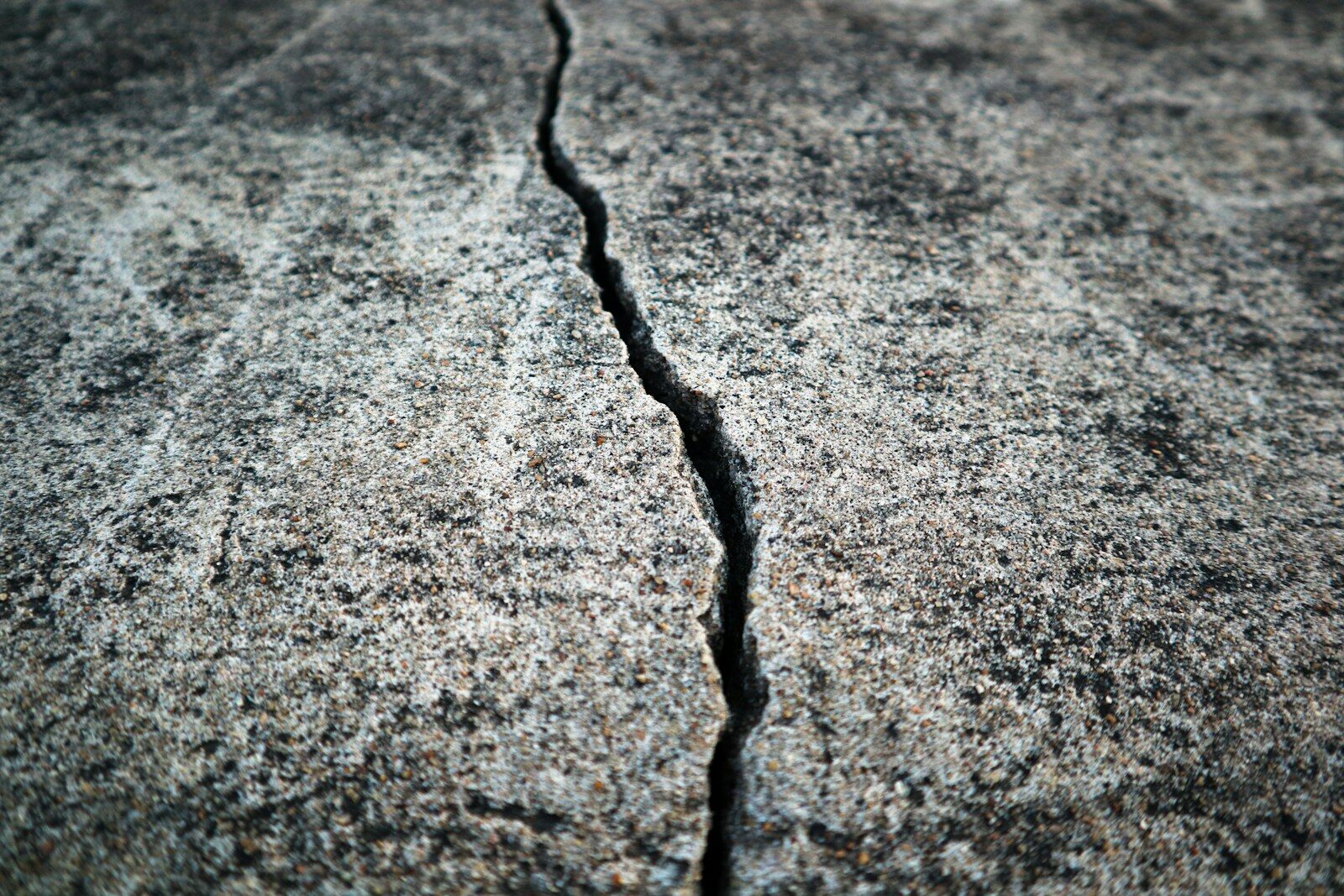
Hairline cracks less than 1/4 inch wide running along the surface respond well to flexible crack filler or concrete sealer. Wider cracks with vertical displacement between the two sides — one side higher than the other — indicate structural movement that may require professional evaluation. Cracks running in a map pattern across the entire surface indicate surface carbonation and weathering. The appropriate repair depends on correctly identifying which category you have.
Cleaning the Crack
The crack must be completely clean and dry for repair material to bond. Use a wire brush to clean loose material from the crack sides. Use an air compressor or compressed air can to blow out debris that brushing loosens. Remove any vegetation growing in the crack completely and treat with vegetation killer, allowing it to dry before proceeding. Any organic material left in the crack will decompose and create voids that compromise the repair.
Applying Repair Material and Sealing
For cracks up to 1/4 inch wide, use pourable concrete crack filler like Sika Crack Fix — pour into the crack, allow to settle, add more to fill to surface level, and smooth with a putty knife. For wider cracks, use a vinyl concrete patcher mixed to peanut butter consistency and packed into the crack. After repairing cracks, apply a concrete sealer to the entire driveway surface. Siloxane-based penetrating sealers create a water-repellent barrier without changing the surface appearance. Reseal every two to three years for continuous protection.