How to Build a Raised Garden Bed: The Weekend Project That Pays Back Every Summer
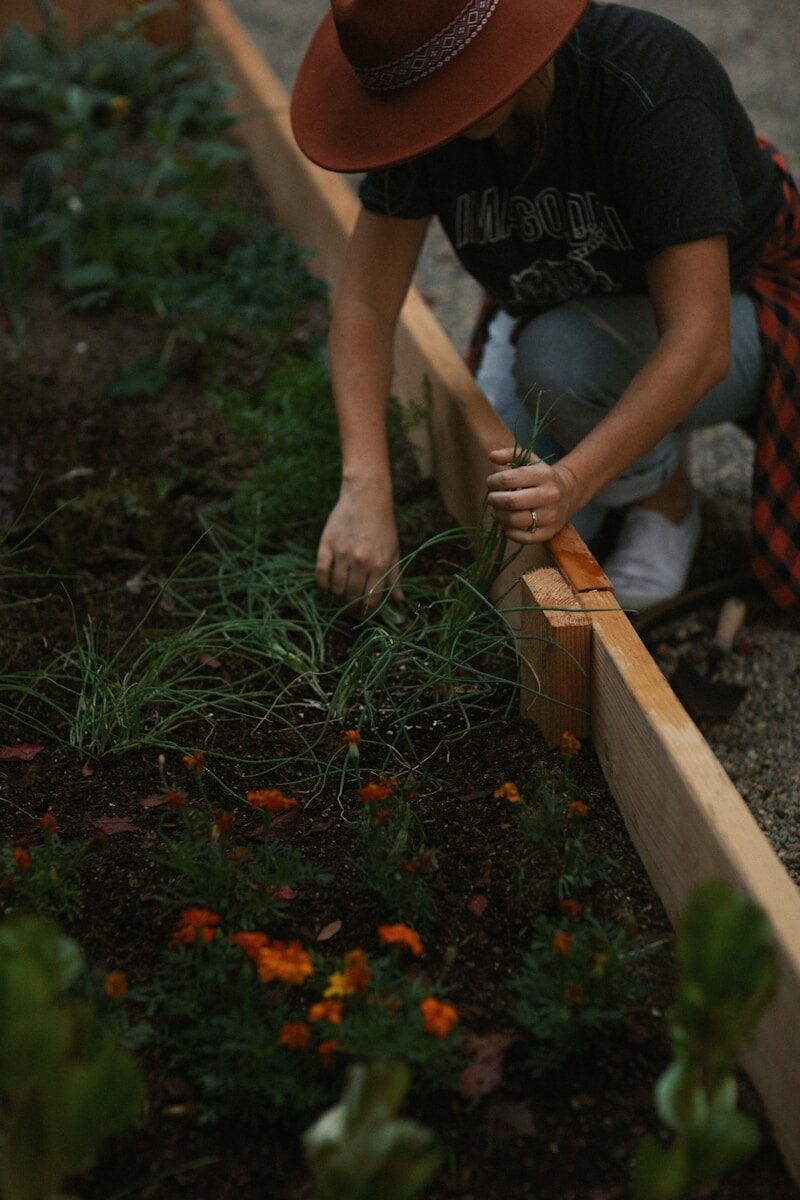
Raised garden beds have an almost embarrassingly good return on investment. A bed built from a single 8-foot 2×10 cedar board costs about $35 in lumber and an afternoon of work. Planted with tomatoes, peppers, herbs, and salad greens, it can produce $200 or more in produce through the growing season — and the quality of homegrown vegetables, harvested at peak ripeness, makes the comparison to grocery store produce almost unfair.
Location and Size
Raised beds need a minimum of six hours of direct sunlight daily. Place them where you’ll walk past them frequently, because proximity to your daily routine determines how consistently you’ll tend them. A 4×8-foot bed is the standard starter size: large enough to grow a meaningful variety of vegetables while being narrow enough to reach the center from either side without stepping on the soil.
Materials
Cedar is the traditional choice for its natural rot resistance — a cedar bed built with 2×10 lumber will last ten to fifteen years. A 4×8-foot bed requires one 16-foot 2×10 cedar board, cut in half. Never use treated lumber for vegetable beds — the chemicals used for pressure treatment are not appropriate for food production. Never use old railroad ties or reclaimed lumber of unknown origin for the same reason.
Construction and Soil Mix
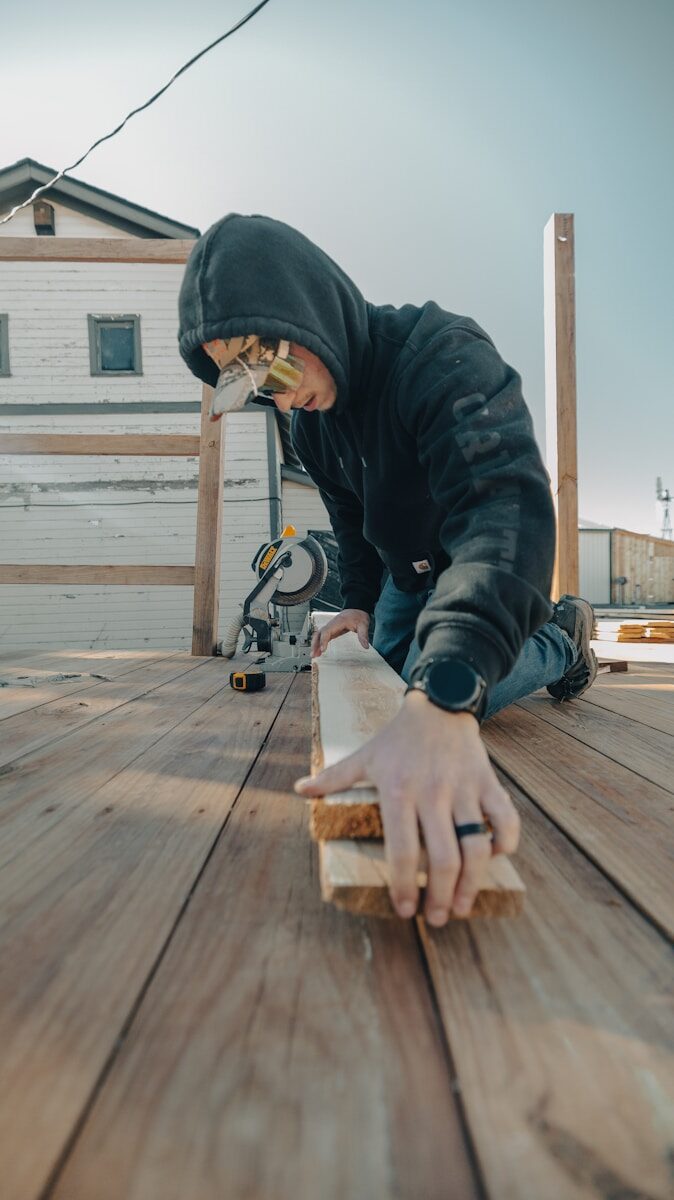
Cut two 8-foot lengths and two 4-foot lengths of 2×10 lumber. Join the corners with 3-inch exterior screws with pre-drilled pilot holes to prevent splitting. Fill with a mixture of one-third compost, one-third peat moss or coco coir, and one-third coarse vermiculite — not straight topsoil, which compacts in raised beds and drains poorly. A 4×8-foot bed filled to 10 inches requires roughly 27 cubic feet of mix.