How to Fix a Leaky Faucet Yourself: Save $150 in One Afternoon
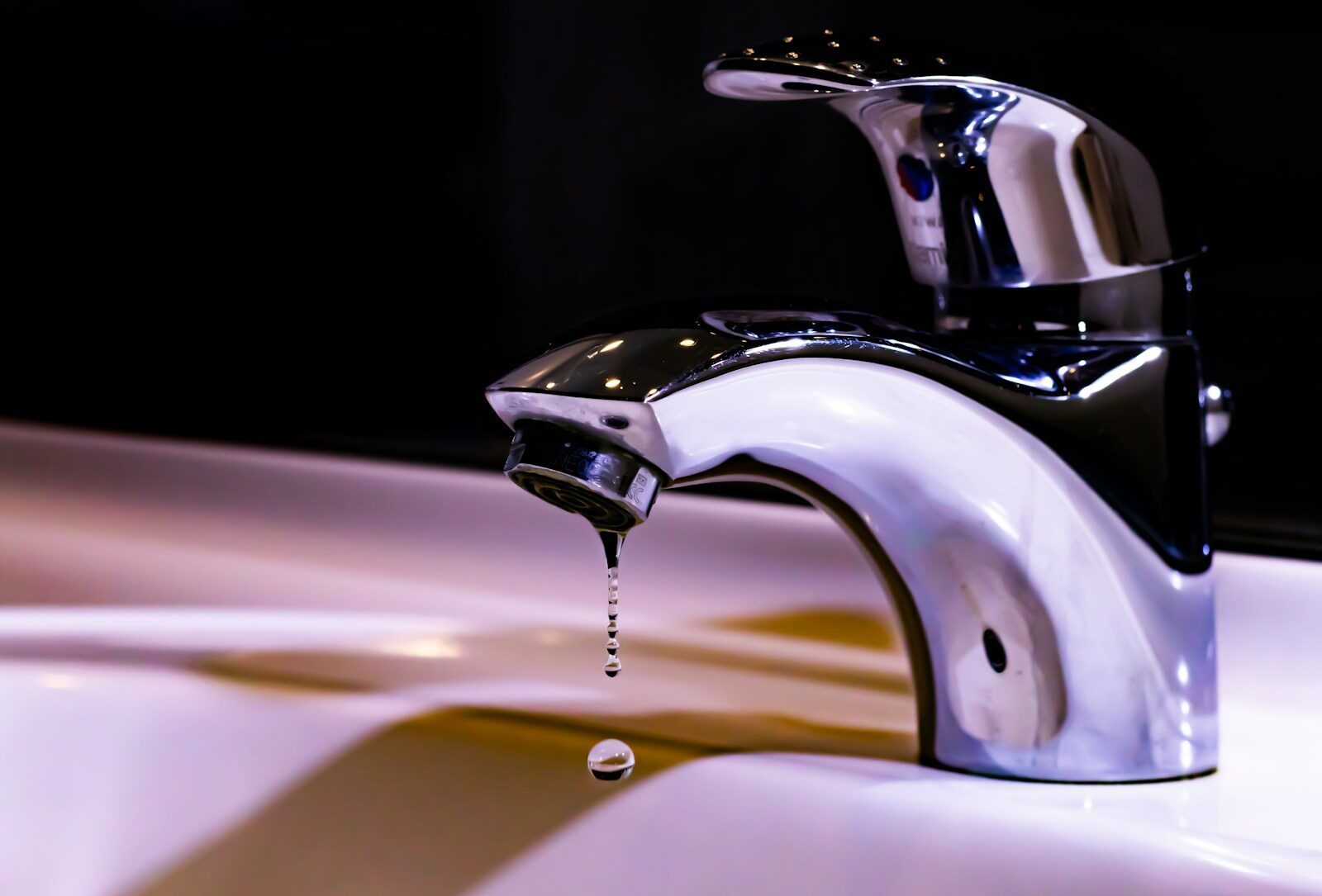
A faucet that drips once per second wastes over 3,000 gallons of water per year. A plumber charges $150 to $250 for a repair that takes less than ninety minutes once you know what you’re doing. I fixed my first leaky faucet on a Saturday afternoon with a $12 repair kit from Home Depot and haven’t called a plumber for a dripping faucet since.
Before You Start: Turn Off the Water
Locate the shutoff valves under the sink and turn them clockwise until they stop. Turn on the faucet to release pressure. Put a towel under the sink to catch water and plug the drain so you don’t lose small parts. This step sounds obvious and is the one beginners skip, leading to a flooded bathroom floor.
Ball Faucets: Single-Handle Kitchen Style
Ball faucets have a single lever that moves over a rounded ball-shaped cap. Leaks here almost always come from worn springs, inlet seals, or O-rings inside the ball assembly. Remove the handle, cap, collar, cam, packing, and ball. Underneath you’ll find two springs with rubber seats — these are almost always the culprit. Replace them along with the O-rings. Most hardware stores sell brand-specific repair kits for $10 to $15 that include every replaceable part.
Cartridge Faucets: Common in Bathrooms
Cartridge faucets use a cartridge inside the faucet body to control flow. When this cartridge wears out, the faucet drips. Remove the handle, pry off the retaining clip, and pull the cartridge straight up. Take it to the hardware store to match the exact replacement — designs vary by manufacturer. The entire job takes thirty minutes once you have the right cartridge.
Compression Faucets: Older Two-Handle Designs
The drip comes from a rubber washer at the bottom of the stem. Remove the handle, unscrew the packing nut, pull out the stem, and replace the washer held by a brass screw at the bottom. These repairs cost under three dollars in parts.
When to Call a Plumber
If you see active water damage under the sink, corrosion on the supply lines, or if shutting off the valve doesn’t stop water flow, call a licensed plumber before attempting repairs. These signs indicate problems beyond a simple washer replacement.